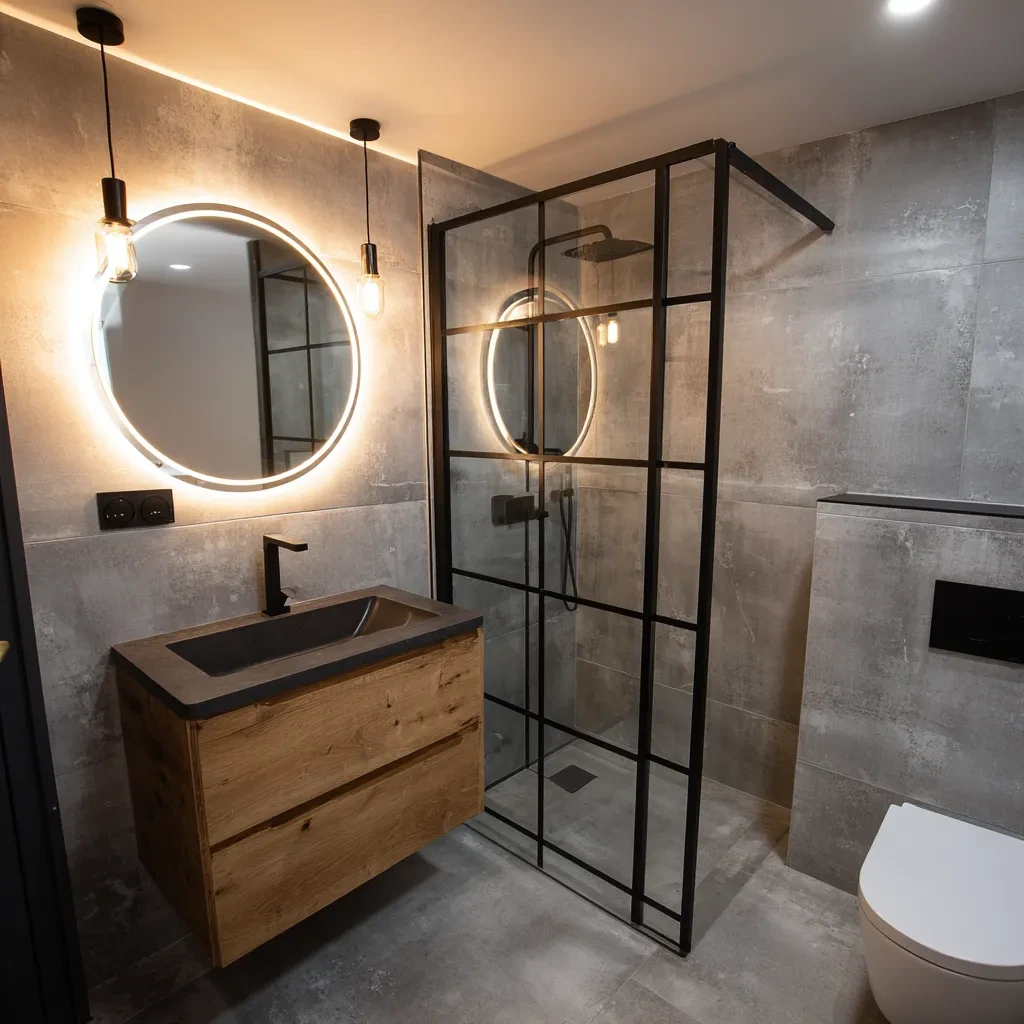
Choosing a bathroom fitter is about understanding the work, the people responsible and the agreement before installation begins. A low price or attractive photograph does not answer those questions on its own. Ask for a measured visit, a clear written quote and evidence supporting any claims that matter to your decision. This guide sets out practical checks you can make without assuming that one company type or payment arrangement always guarantees a better job.
Explain the bathroom work you need
Give the fitter a clear starting point. Say whether you want a complete replacement, a bath-to-shower change or a smaller improvement. Describe the problems with the current room and which fittings you would like to keep. Include known leaks, damaged surfaces, difficult access and any support needs affecting how the bathroom is used.
Photographs can help an initial discussion, but the final plan needs measurements and checks on the property. A useful visit should cover layout, products, plumbing and access, not just colours. Ask the fitter to explain any limits found, such as a drainage route that affects the shower height. You should understand the proposal well enough to know what you are agreeing to.
Ask who is responsible for the installation
Find out who coordinates the job and which people or trades will carry out the work. A bathroom may involve plumbing, electrical work, preparation and finishing. Whether trades are employed or contracted does not by itself establish quality. What matters is clear responsibility, competent work and a reliable route for questions or problems.
Ask who will be your contact during fitting and after completion. Make sure the business name, address and contact details are clear on the quote. If a separate company supplies products or performs part of the work, understand how the responsibilities fit together. Avoid an arrangement where a problem could leave you unsure which party should investigate it.
Read the quote beyond the headline price
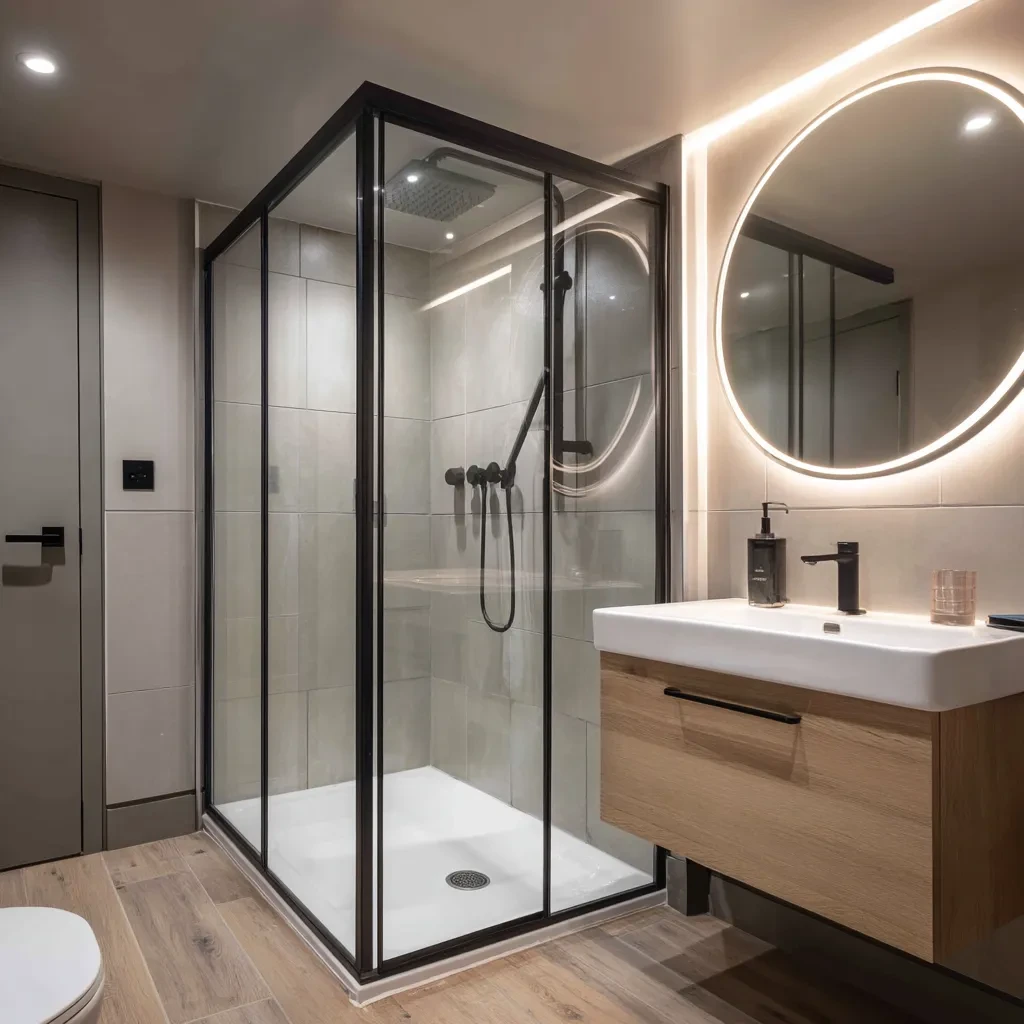
The quote should identify the suite, shower, furniture, wall finishes and flooring, along with the fitting and preparation work. Check whether waste removal, electrical testing and repairs to affected surfaces are included. Broad descriptions such as “complete bathroom” need enough detail to show what the finished room will contain.
An estimate and a fixed quotation are different kinds of information, so ask which you have and what conditions apply. Hidden damage or changes you request can still affect the job. The agreement should explain how extra work is shown, priced and approved. It should not leave you discovering a new charge after the work has already been carried out.
Check evidence without making assumptions
Ask about relevant experience and look at genuine reviews or references where available. If photographs are presented as completed customer work, the business should be able to explain their connection to the job. A design gallery can help with ideas, but does not by itself establish who fitted the rooms. Equally, a new business is not automatically incapable of good work.
Verify any important membership, certification or protection claim with the organisation concerned. A directory listing does not necessarily provide the same cover as another scheme. Ask what insurance applies to the work and what electrical documents will be supplied. The person carrying out electrical work should be competent for it; the quote should make that responsibility clear.
Understand payment and the installation schedule
Read the payment terms before accepting. If a deposit or stage payment is requested, understand what it covers, when it is due and any protection that applies. The absence of a deposit does not prove a company’s financial position, and a deposit alone does not prove poor work. Avoid choosing on a rigid percentage rule without understanding the actual agreement.
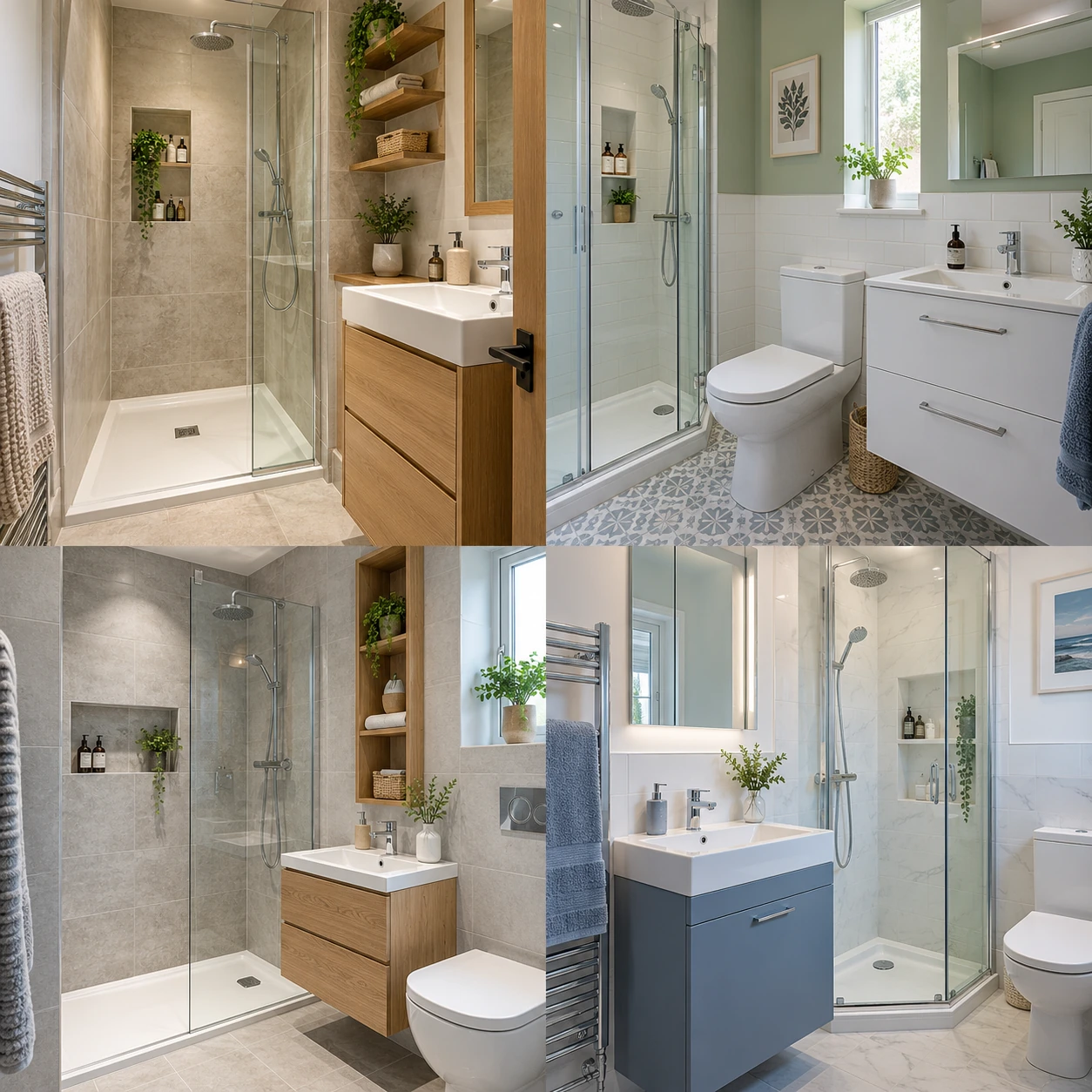
Ask for the expected start date and fitting duration, including any dependency on products arriving. Different bathrooms need different amounts of work. A longer schedule may be justified by preparation or a more involved layout. What matters is a realistic plan and a clear explanation of how you will be told if the dates change.
Plan the practical arrangements at home
Discuss parking, deliveries, material storage and the route through the property. Confirm how the old bathroom and waste will be removed and how the work area will be protected. Let the fitter know about shared entrances, landlord requirements or a property factor where relevant. These details can affect the job even when the bathroom itself is straightforward.
If this is your only bathroom, ask when the toilet and washing facilities will be unavailable. Agree any alternative arrangements before work starts. Tell the team about children, pets, home-working or care needs that affect access. A considerate installation plan needs that information; it cannot be built around assumptions about the household.
Check the handover and aftercare arrangements
The agreement should explain how the finished work is inspected and how outstanding items are recorded. Ask for product instructions, relevant certificates and the workmanship guarantee details. Manufacturer warranties are separate from the fitting guarantee. Keep the documents together and know which number to use if something needs attention later.
Our bathroom fitting service in Cumbernauld explains the work we supply and install. Compare our bathroom packages and read the renovation planning guide for the next steps. Call 01236 801802 or request a free home visit to discuss your room and receive a written quote before deciding.
Use the written quote comparison guide to check products, preparation, finishing and payment arrangements before deciding. It helps you compare the work being offered, instead of choosing solely from a headline price or a broad promise.