
The fitting time depends on the work in your bathroom, the preparation needed and the products being installed. Ask for a schedule for your own job before booking. A complete refit involves removal, preparation, connections, fitting and final checks; these stages do not necessarily take one day each or follow an identical timetable in every home.
Agree the fitting schedule before work starts
Ask for the proposed start date, expected time on site and any drying time before the bathroom can be used. These are related but different pieces of information. The installation may be physically finished before a particular sealant or adhesive is ready for normal use. Follow the instructions given for the actual products.
Explain any important deadline, such as guests arriving or another part of the house being worked on. If this is your only bathroom, discuss washing and toilet arrangements before accepting the dates. Our booking lead time guide explains the separate wait before fitting begins. A short installation does not mean an immediate start is available.
Removal and checking the room
The old fittings and agreed finishes need to be removed, with nearby areas protected and waste handled appropriately. Access, stairs and the amount being removed affect this stage. Older materials may need checks before they are disturbed. The removal plan should be based on the room and available information, not an assumption that every old bathroom strips out easily.
Once surfaces are exposed, the team can check conditions that were hidden. A damaged floor or leak may require a repair before work continues. Ask how any discovery will be explained, priced and approved. The schedule should allow a sensible response to the actual issue rather than pressure the team to cover it up to meet an unsupported promise.

Preparing plumbing, electrics and surfaces
Pipe routes, drainage and electrical work are planned around the agreed layout. Moving a toilet or changing shower type can affect more than the visible fittings. The necessary work should be checked by the appropriate trades, with access and testing considered before surfaces are closed. Changes made at this point may affect later stages.
Walls and floors then need the preparation required for the chosen products. That can include repairs, suitable boards, levelling or water protection. Our bathroom waterproofing guide explains why preparation matters. The amount of work and any waiting time depend on the system being fitted, so a fixed daily sequence is only useful if it matches the actual job.
Fitting walls, floors and the suite
The order of finishes and fittings varies with the selected system. A tray, bath, wall panel, tile or floor product may need a particular sequence and drying period. Ask the installer to explain the broad order, especially if you are supplying any items yourself. Everything needed for a stage should be available and checked before that stage begins.
The suite, furniture, screens and controls need fitting, connection and adjustment. A room that looks nearly complete may still need important work before use. Do not use a shower or bath simply because the fittings are in place. Wait for the handover instructions and any specified curing time, even if using another bathroom has become inconvenient.
What can extend the fitting time?
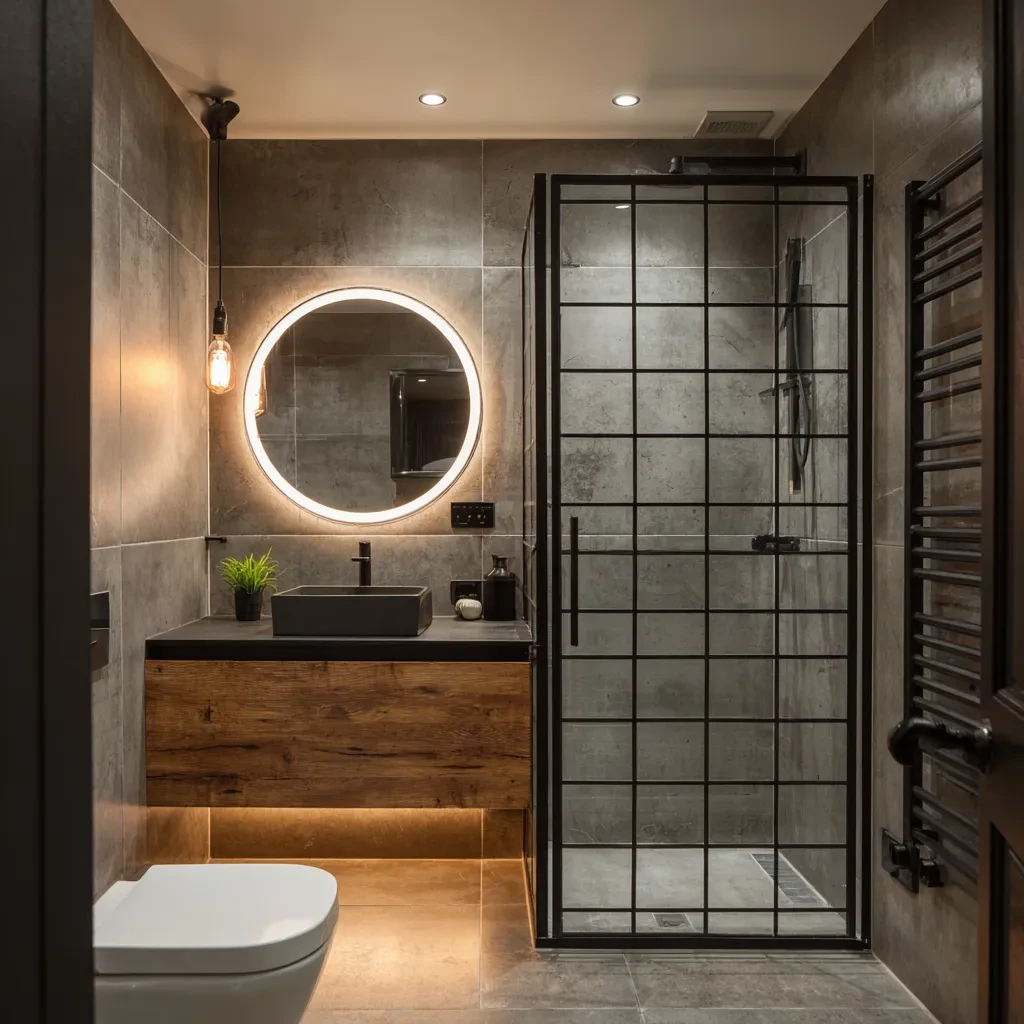
Repairs, layout changes, missing products and work outside the bathroom can affect the schedule. A made-to-order item may also need a longer delivery period before fitting starts. Ask what is known at quote stage and what still needs confirming. Avoid treating a supplier's estimated delivery as a guaranteed installation date.
Late product changes can have similar effects. A different vanity may need revised connections, or a new screen may not fit the original tray. Agree the cost and timing of a change before ordering it. Our renovation checklist helps you settle the key choices and household arrangements before the room is taken out of use.
Final checks and handover
Allow time for the team to check the completed work and demonstrate the controls. Ask about cleaning, ventilation, access to valves and any maintenance the products require. Keep instructions, product details and relevant installation records together. These are useful after the job, when you may need a replacement part or want to check a care recommendation.
Walk through the room and record any unfinished item or concern clearly. Agree who will deal with it and what happens next. A handover should leave you knowing when the bathroom can be used and whom to contact afterwards. It is more useful than treating the moment the last tool leaves the house as the only measure of completion.
Plan around your household
Discuss working hours, access, pets, deliveries and the route through the house. Tell the team about shift work or other needs that affect arrangements. If you are away, agree how decisions will be made and how the property will be accessed. Clear communication helps avoid delays caused by unanswered questions during the work.
Our bathroom fitting process sets out the main steps. Call 01236 801802 or use the enquiry form for a Cumbernauld refit. Describe the changes you want and any important dates, and ask for the schedule that fits that work rather than relying on a universal five-day promise.